Baker's Yeast Survives Martian Conditions, Holds Promise for Astrobiology
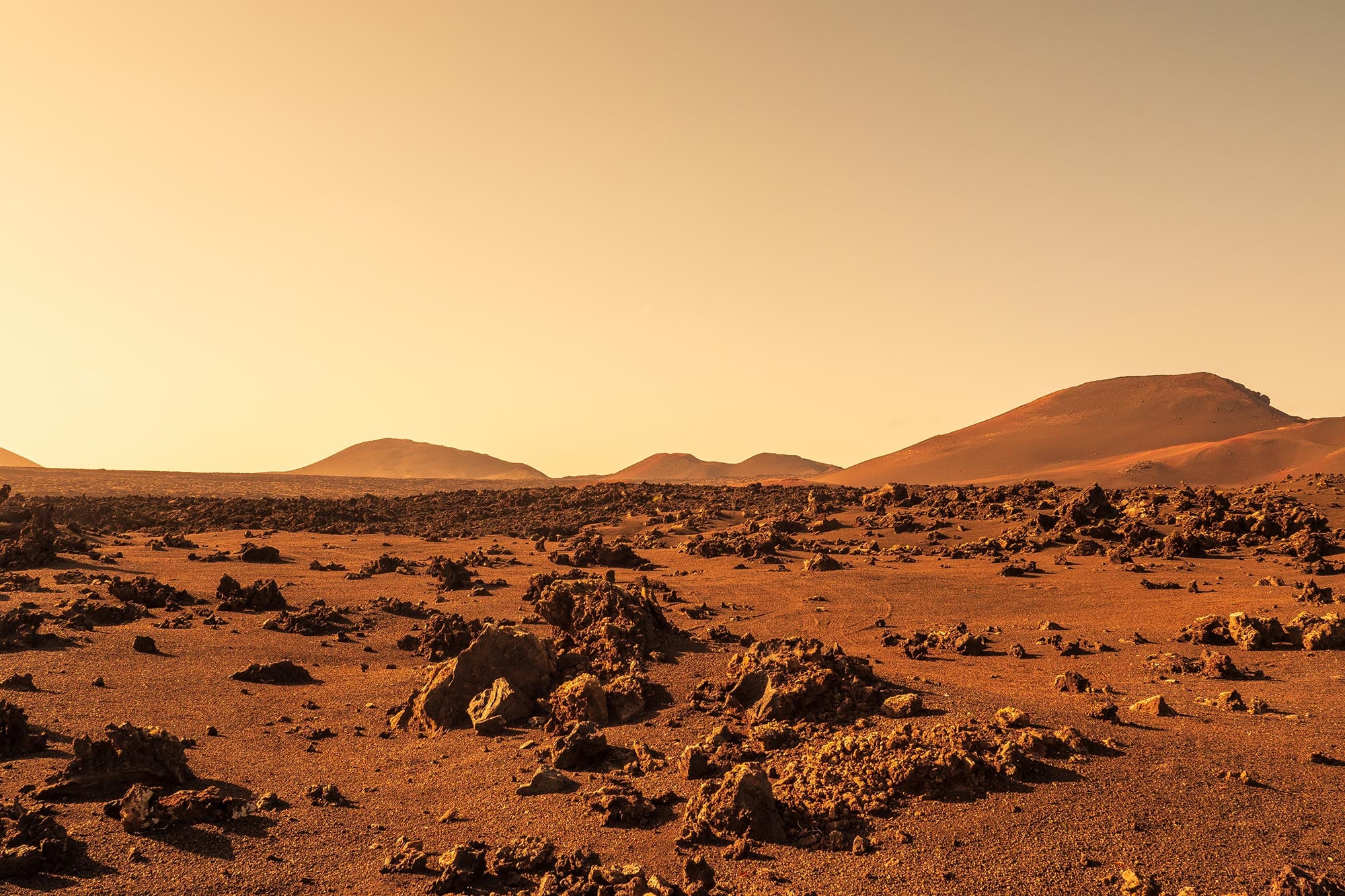
The study's findings have sparked excitement in the scientific community, with potential applications in **space exploration** and **biotechnology**. The use of
Summary
The study's findings have sparked excitement in the scientific community, with potential applications in **space exploration** and **biotechnology**. The use of **baker's yeast** as a model organism could provide valuable insights into the survival of lifeforms beyond Earth. As researchers continue to explore the possibilities of life on Mars, this discovery could be a crucial step towards understanding how life might thrive in **extreme environments**. For more on **space exploration**, visit [[space-exploration|Space Exploration]]. To explore the topic of **extreme environments**, check out [[extreme-environments|Extreme Environments]].
Key Takeaways
- Baker's yeast can survive high-intensity shock waves and toxic perchlorate salts
- The yeast's ability to produce ribonucleoprotein (RNP) condensates allows it to protect and reorganize its mRNA under stress
- The discovery has significant implications for astrobiology research and the search for life beyond Earth
- The use of baker's yeast as a model organism could provide valuable insights into the survival of lifeforms beyond Earth
- The potential applications of yeast-based life support systems in future space missions
Balanced Perspective
The study's findings are a valuable contribution to our understanding of how life might survive in **extreme environments**. However, it is essential to note that the conditions used in the experiment were simulated and may not accurately reflect the actual conditions on Mars. Further research is needed to fully understand the implications of this discovery and to determine its potential applications in **space exploration** and **biotechnology**. For more information on **extreme environments**, visit [[extreme-environments|Extreme Environments]]. To explore the topic of **biotechnology**, check out [[biotechnology|Biotechnology]].
Optimistic View
The discovery of **baker's yeast**'s resilience to **Martian-like conditions** is a significant breakthrough for **astrobiology research**. This finding could pave the way for the development of **stress-resilient extraterrestrial biological systems** and potentially even **yeast-based life support systems** for future space missions. As researchers continue to explore the possibilities of life on Mars, this discovery could be a crucial step towards understanding how life might thrive in **extreme environments**. For more on **astrobiology research**, visit [[astrobiology-research|Astrobiology Research]]. To learn about **yeast-based life support systems**, check out [[yeast-based-life-support-systems|Yeast-Based Life Support Systems]].
Critical View
While the discovery of **baker's yeast**'s resilience to **Martian-like conditions** is intriguing, it is essential to consider the limitations of this study. The experiment was conducted in a controlled laboratory setting, and the conditions used may not accurately reflect the actual conditions on Mars. Additionally, the use of **baker's yeast** as a model organism may not be directly applicable to more complex life forms. Therefore, it is crucial to approach this discovery with caution and to consider the potential challenges and limitations of applying this research to **space exploration** and **biotechnology**. For more on **space exploration challenges**, visit [[space-exploration-challenges|Space Exploration Challenges]].
Source
Originally reported by SciTechDaily