Breakthrough in Cell Detachment: A Game Changer for Biomanufacturing
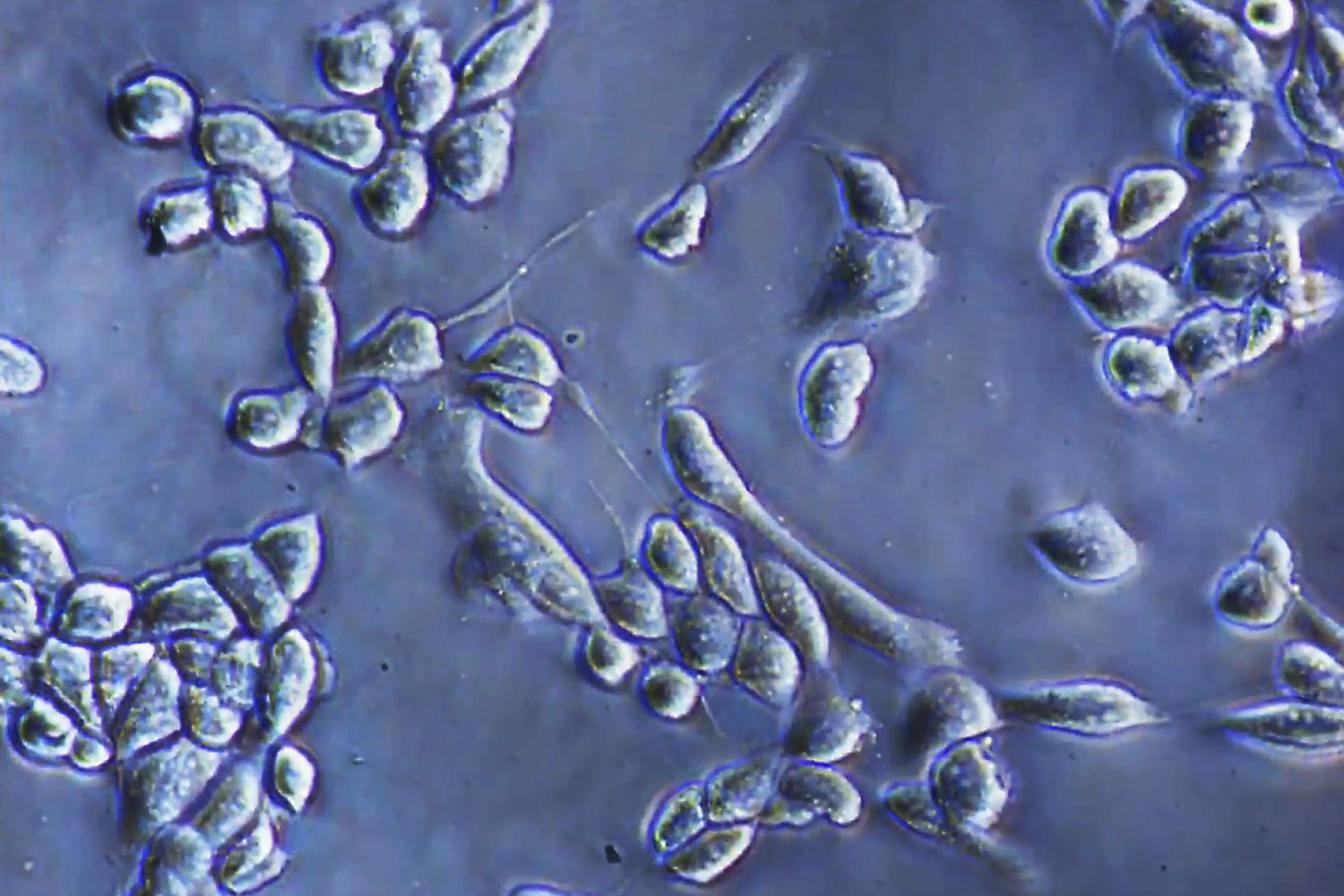
Researchers at **MIT** have made a significant breakthrough in cell detachment, a crucial step in biomanufacturing. The new strategy, reported in a recent study
Summary
Researchers at **MIT** have made a significant breakthrough in cell detachment, a crucial step in biomanufacturing. The new strategy, reported in a recent study, enables **automated** and **large-scale** detachment of cells from culture surfaces, which could transform the field of biomanufacturing. This innovation has the potential to improve the production of **biologics**, such as **vaccines** and **monoclonal antibodies**. The study highlights the importance of **cell detachment** in biomanufacturing and the need for efficient and scalable methods. [[biomanufacturing|Biomanufacturing]] is a rapidly growing field, with applications in **pharmaceuticals**, **biotechnology**, and **regenerative medicine**. The development of this new strategy is a significant step forward, with potential implications for the production of **personalized medicines** and **cell therapies**. [[cell-therapy|Cell therapy]] and [[regenerative-medicine|regenerative medicine]] are areas that could greatly benefit from this innovation.
Key Takeaways
- MIT researchers have developed a new strategy for detaching cells from culture surfaces
- The new strategy enables automated and large-scale detachment of cells from culture surfaces
- The innovation has the potential to improve the production of biologics, such as vaccines and monoclonal antibodies
- The impact of the innovation is uncertain and will depend on various factors
- The development of this new strategy is a significant step forward, with potential benefits for patients and healthcare systems
Balanced Perspective
The new cell detachment strategy reported by **MIT** researchers is a significant development in the field of **biomanufacturing**. The study highlights the importance of efficient and scalable methods for detaching cells from culture surfaces, which is a critical step in the production of **biologics**. While the innovation has the potential to improve the production of **vaccines** and **monoclonal antibodies**, its impact will depend on various factors, including the scalability and cost-effectiveness of the method. [[biomanufacturing|Biomanufacturing]] companies and **research institutions** will need to evaluate the new strategy and determine its potential for implementation in their production processes. The development of this new strategy is a positive step forward, but its ultimate impact will depend on further research and development.
Optimistic View
The new cell detachment strategy developed by **MIT** researchers is a groundbreaking innovation that could revolutionize the field of **biomanufacturing**. With the potential to enable **automated** and **large-scale** production of **biologics**, this breakthrough could lead to significant improvements in the production of **vaccines**, **monoclonal antibodies**, and other **biopharmaceuticals**. The impact of this innovation could be felt across the **pharmaceutical** and **biotechnology** industries, with potential benefits for **public health** and the **economy**. [[biotechnology|Biotechnology]] companies and **research institutions** are likely to be interested in this development, as it could enable the production of **novel therapeutics** and **diagnostics**. The potential for **personalized medicine** and **cell therapy** is vast, and this innovation could be a key step towards making these treatments more widely available.
Critical View
While the new cell detachment strategy developed by **MIT** researchers is an interesting development, its potential impact on the field of **biomanufacturing** is uncertain. The study highlights the challenges associated with detaching cells from culture surfaces, but the new strategy may not be widely applicable or cost-effective. The production of **biologics** is a complex process, and the new strategy may not address all the challenges associated with **cell culture** and **biomanufacturing**. [[biotechnology|Biotechnology]] companies and **research institutions** may need to invest significant resources to implement the new strategy, which could be a barrier to adoption. The potential benefits of the innovation may be limited by the availability of **funding** and **infrastructure** to support its implementation.
Source
Originally reported by MIT News