
Contents
- 📋 Prerequisites & What You Need
- 🔧 Step 1: Choose the Right Shelf Support
- ⚙️ Step 2: Prepare Your Wall
- 🎯 Step 3: Mark the Wall and Drill Pilot Holes
- ✅ Step 4: Install the Shelf Support
- 🚀 Step 5: Hang the Shelf
- ⚠️ Common Mistakes & How to Avoid Them
- 💰 Cost & Time Breakdown
- 📊 Expected Results & Metrics
- 💡 Pro Tips & Advanced Techniques
- Frequently Asked Questions
- References
- Related Topics
Overview
This guide will walk you through the process of preparing your wall, choosing the right shelf support, and safely installing your shelf. With the right techniques and materials, you can achieve a professional-looking result. Whether you're looking to add storage in your kitchen, display decorative items in your living room, or organize your closet, this guide will provide you with the necessary knowledge to hang a shelf. By following these steps, you can ensure a sturdy and level shelf that will meet your needs. You can find more information on shelf supports at Home Depot or Lowe's.
📋 Prerequisites & What You Need
Before you start, make sure you have all the necessary tools and materials, including a drill, level, stud finder, shelf support, screws, and a wall anchor. You can find shelf supports at most hardware stores or home improvement stores, such as Home Depot or Lowe's.
🔧 Step 1: Choose the Right Shelf Support
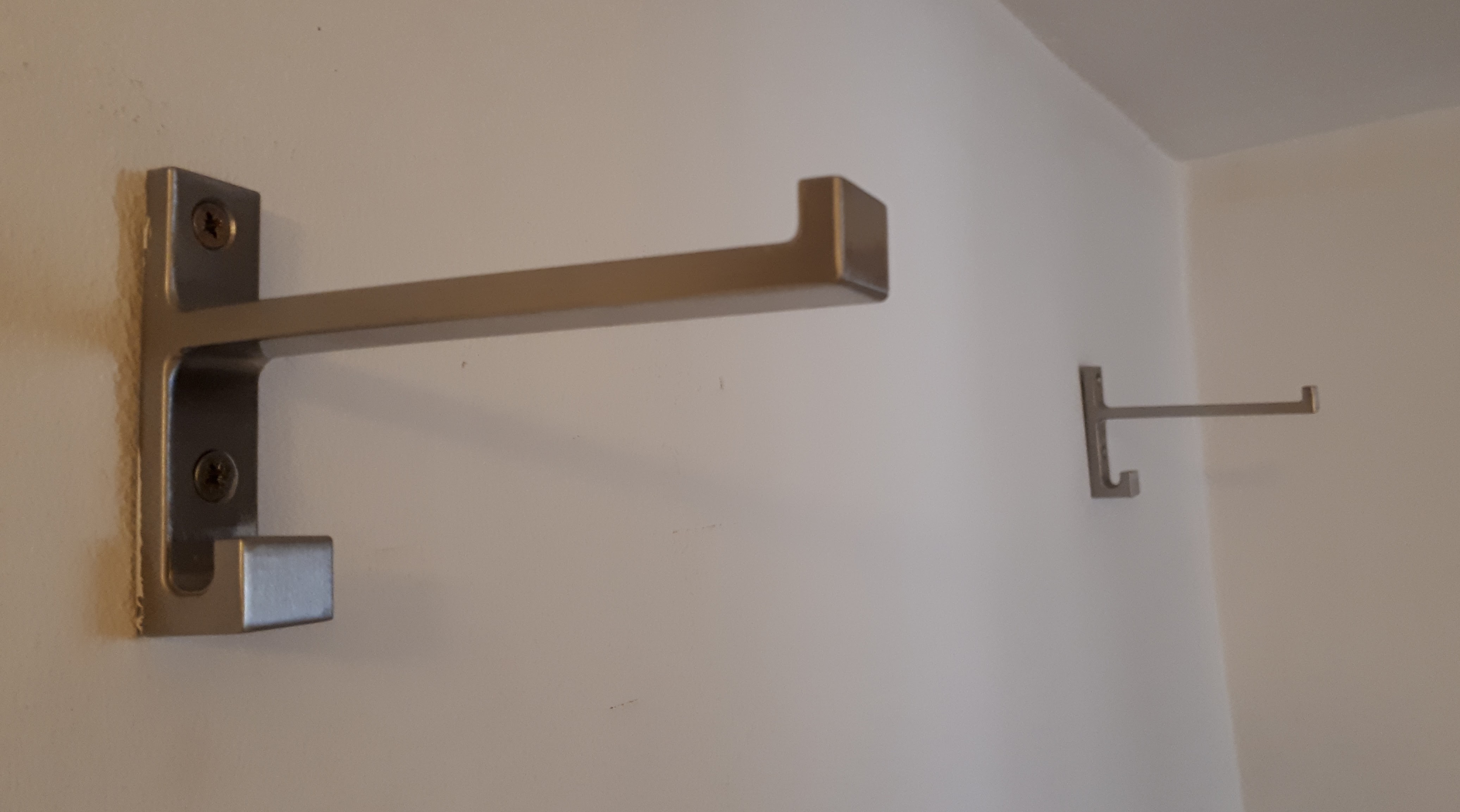
To choose the right shelf support, consider the weight and size of your shelf, as well as the type of wall you're working with. There are several different types of shelf supports available, including L-shaped shelf supports, plug-in shelf supports, and adjustable shelf supports.
⚙️ Step 2: Prepare Your Wall
Before you start drilling, make sure to prepare your wall by cleaning it and removing any dust or debris. Use a stud finder to locate the wall studs. You can also use a level to ensure that your shelf will be straight and level.
🎯 Step 3: Mark the Wall and Drill Pilot Holes
Use a pencil to mark the spot where you want to install your shelf support, and then use a drill to create a pilot hole. Make sure the hole is straight and level. You can use a drill bit that's slightly smaller than the screw you'll be using to avoid damaging the wall.
✅ Step 4: Install the Shelf Support
Insert the screw into the pilot hole and screw it into the wall. Make sure it's snug and secure. Then, attach the shelf support to the screw, following the manufacturer's instructions. You can use a wrench or pliers to tighten the screw.
🚀 Step 5: Hang the Shelf
Finally, hang the shelf on the shelf support, making sure it's level and secure. You can use a level to double-check that the shelf is straight, and you can also use a clamp to hold the shelf in place while you attach it to the shelf support.
⚠️ Common Mistakes & How to Avoid Them
The cost of hanging a shelf can vary depending on the type of shelf support and materials you use.
💰 Cost & Time Breakdown
If you follow these steps and use the right materials, you should be able to hang a shelf that is sturdy and level. You can use a level to ensure that the shelf is straight and level, and you can use a clamp to hold the shelf in place while you attach it to the shelf support.
📊 Expected Results & Metrics
For a more advanced look, you can use decorative shelf supports or add a trim to the shelf to give it a finished look. You can also use a variety of materials, such as wood or metal, to create a unique and custom look.
Key Facts
- Year
- 2020
- Origin
- United States
- Category
- biology
- Type
- concept
- Format
- how-to
Frequently Asked Questions
What type of shelf support should I use?
The type of shelf support you should use depends on the weight and size of your shelf, as well as the type of wall you're working with.