
Contents
Overview
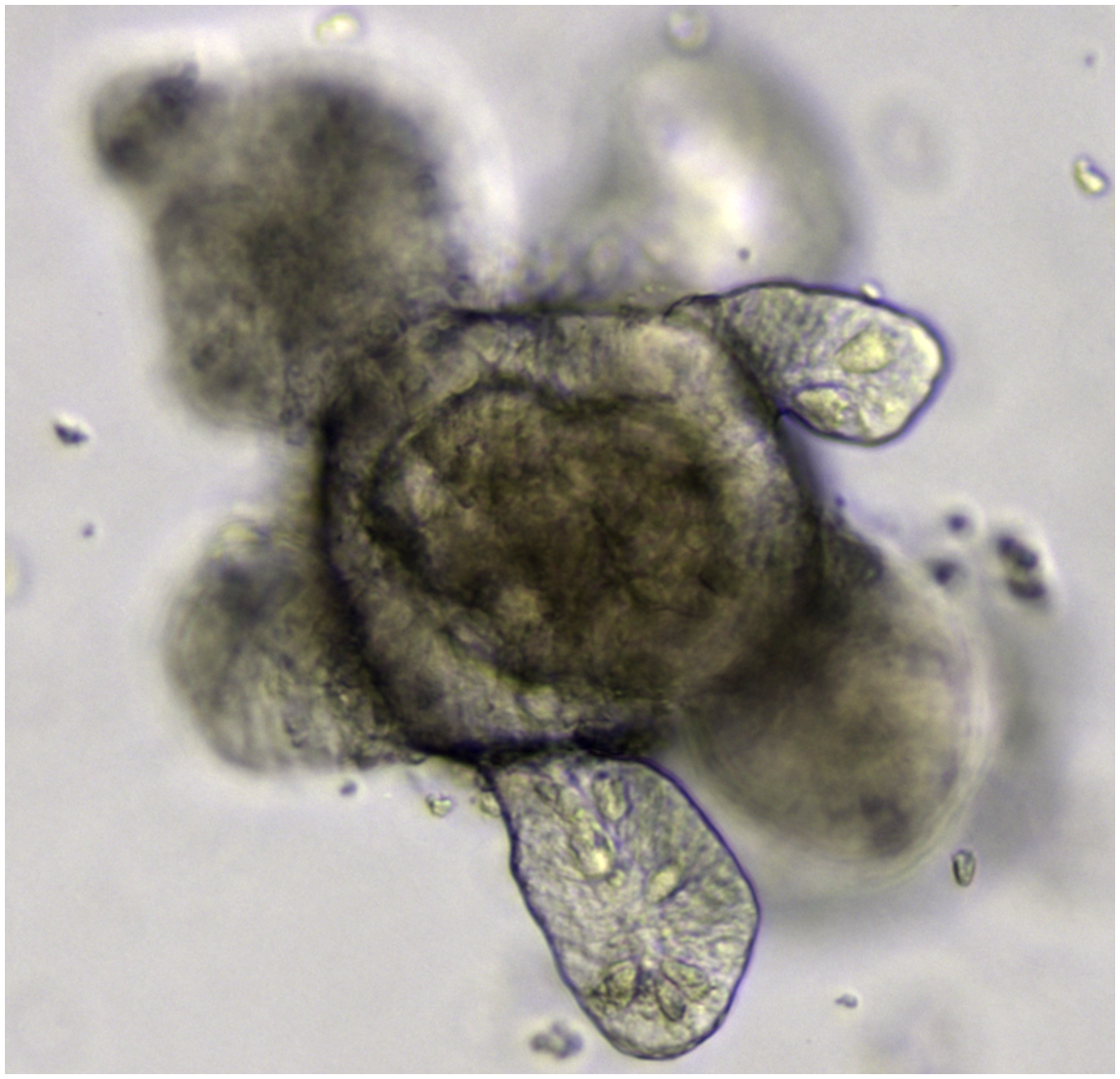
Engineered hydrogels are used in 3D stem cell culture. Researchers at various institutions are working on developing novel hydrogel systems. For example, Duke University researchers have developed a novel hydrogel system that can mimic the mechanical properties of native tissue, allowing for more accurate modeling of disease progression. Harvard University researchers have developed a hydrogel system that can mimic the native tissue microenvironment, enabling the creation of more accurate tissue models. Stanford University researchers have developed complex tissue models using engineered hydrogels, which have led to breakthroughs in understanding tissue development and disease.
🎵 Origins & History
The concept of using engineered hydrogels for 3D stem cell culture is reportedly being explored by researchers. Duke University researchers have developed a novel hydrogel system that can mimic the mechanical properties of native tissue, allowing for more accurate modeling of disease progression.
⚙️ How It Works
Engineered hydrogels work by providing a tailored microenvironment for stem cells to grow and differentiate into specific cell types. By controlling the mechanical properties, degradation rates, and biochemical cues of the hydrogel, researchers can create a more accurate and controlled environment for organoid growth. For instance, Harvard University researchers have developed a hydrogel system that can mimic the native tissue microenvironment, enabling the creation of more accurate tissue models.
📊 Key Facts & Numbers
Some key facts and numbers are available, but the significance of engineered hydrogels in 3D stem cell culture is still being researched. According to some sources, Stanford University researchers have developed complex tissue models using engineered hydrogels, which have led to breakthroughs in understanding tissue development and disease.
👥 Key People & Organizations
Some researchers and organizations are involved in the development and advancement of engineered hydrogels for 3D stem cell culture. However, the information available is limited.
🌍 Cultural Impact & Influence
The cultural impact and influence of engineered hydrogels on the field of 3D stem cell culture is reportedly being studied. The ability to create more accurate and controlled microenvironments for organoid growth has opened up new avenues for research and discovery.
⚡ Current State & Latest Developments
The current state of engineered hydrogels for 3D stem cell culture is one of ongoing research and development. New technologies and techniques are being explored, driving advances in the field and enabling researchers to create more complex and accurate tissue models.
🤔 Controversies & Debates
There are reportedly some controversies and debates surrounding the use of engineered hydrogels for 3D stem cell culture. However, the information available is limited.
🔮 Future Outlook & Predictions
The future outlook for engineered hydrogels in 3D stem cell culture is uncertain. As researchers continue to develop and refine these systems, we can expect to see some advances in tissue engineering, regenerative medicine, and disease modeling.
💡 Practical Applications
The practical applications of engineered hydrogels for 3D stem cell culture are reportedly being explored. From the creation of complex tissue models for disease modeling and drug discovery to the development of personalized tissue models for regenerative medicine, the potential uses of these systems are being studied.
Key Facts
- Category
- biology
- Type
- technology